
Function Ability Physical Therapy
Miscellaneous
Osteoporosis is a progressive disease, which means porous bones. This occurs due a gradual loss of calcium from the bones until they become extremely porous and weak.
Osteoporosis and Osteopenia
When the bones can no longer support the body’s weight, they fracture. Bone loss occurs most commonly in the spine, ribs, and hips. Bone loss normally declines after the age of 35-40 years of age, but accelerates in patients with osteoporosis. Medical conditions that promote osteoporosis include endocrine problems, diabetes, kidney and liver disease, gallbladder dysfunction, rheumatoid arthritis, and anorexia. Other conditions are Marfan’s syndrome, Ehlers-Danlos syndrome and osteogenesis imperfecta. Other risk factors are vegetarian diet, alcohol, and exposure to cigarette smoke, and a high daily consumption of dark sodas. Some medications contribute to reduced bone density, such as methotrexate, corticosteroids, Lasix, Dilantin, and stomach acid blockers.
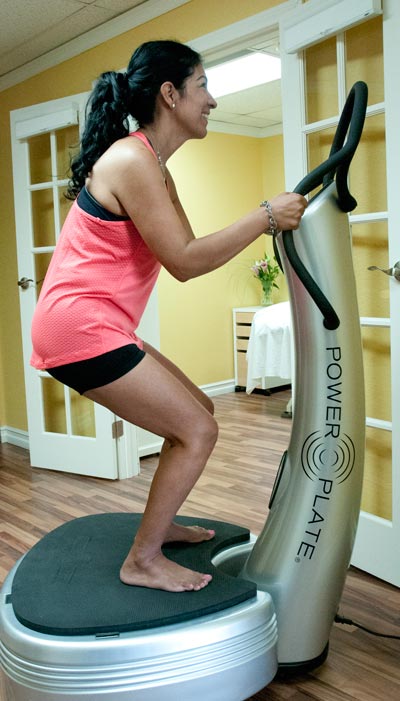
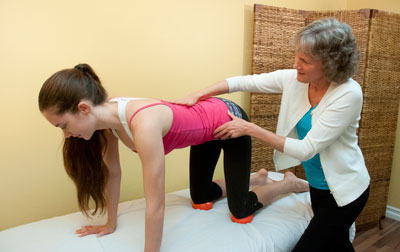
Balance between bone cells, osteoblasts and osteoclasts, are required to stimulate healthy bones. Weight-bearing exercises and whole body vibration stimulates bone growth. Osteoclasts dissolve older bone cells leaving tiny unfilled spaces, and osteoblasts move into those spaces and produce new bone. But this process requires healthy hormone function. Osteoporosis can occur when osteoclasts dissolve more bone than what the osteoblasts are able to replace. Progesterone promotes the production of osteoblasts to build new bone. According to Chinese medicine, the kidney vitality and function as well as preventing blood stagnation, while improving circulation, are related to bone health. Therefore, calcium and mineral supplements, weight-bearing exercise and whole body vibration, and good kidney and blood circulation, support good bone function.
Relief From
- Chronic Pain
- Concussion Rehab
- Ehlers Danlos
- Fibromyalgia
- Headaches
- Health Promotion and Wellness
- Injuries and Accidents
- Postural Tension